Finishing a home remodel, addition, or new build is an exciting achievement, but walking into the finished space often reveals a heavy blanket of fine chalky dust, drywall residue, and debris. While homeowners are familiar with standard routine upkeep, post-construction cleaning is an entirely different category of property maintenance.
Understanding the differences between post-construction cleaning and regular house cleaning ensures you hire the right service and protect your newly invested living space.
Quick Answer: Post-Construction Cleaning vs Regular Cleaning
- Regular Cleaning: A routine maintenance service focused on surface dusting, vacuuming, and sanitizing an already lived-in home.
- Post-Construction Cleaning: A heavy-duty, multi-phase specialized restoration process designed to remove microscopic drywall dust, paint splatters, adhesive residue, and construction debris from a newly remodeled property.
What Is Regular House Cleaning?
Regular house cleaning is the ongoing maintenance required to keep a lived-in home clean, sanitary, and organized. Performed on a weekly, biweekly, or monthly schedule, it involves standard surface wiping, bathroom disinfection, trash removal, and basic floor care to manage everyday living dirt.
What Is Post-Construction Cleaning?
Post-construction cleaning is an intensive, specialized service required after contractors finish building, remodeling, or renovating. It targets the massive accumulation of hazardous, fine particulates and construction mess left behind, making the building safe, habitable, and visually pristine.
Main Differences Between the Services
Type of Dirt and Debris
- Regular Cleaning: Focuses on everyday dust, hair, food crumbs, kitchen grease, and bathroom soap scum.
- Post-Construction Cleaning: Focuses on microscopic drywall dust, sawdust, masonry grit, paint overspray, stickers on new glass, silicone residue, and packing materials.
Equipment
- Regular Cleaning: Standard household vacuums, traditional mops, and basic microfiber cloths.
- Post-Construction Cleaning: Commercial-grade HEPA-filter vacuums, industrial air scrubbers, heavy-duty scraping blades, and professional solvent removers.
Safety Requirements
- Regular Cleaning: Standard household cleaning safety with gentle disinfectants.
- Post-Construction Cleaning: Requires protective respirators (N95 masks) and safety eyewear to protect technicians from inhaling toxic or irritating airborne silica and drywall particulates.
Number of Cleaning Passes
- Regular Cleaning: Completed in a single thorough pass.
- Post-Construction Cleaning: Requires multiple sequential cleaning passes over 24 to 48 hours to catch fine dust that continually settles as the air clears.
Time and Labor
- Regular Cleaning: Fast and efficient (usually 1.5 to 3 hours).
- Post-Construction Cleaning: Highly labor-intensive, often taking a professional team an entire day or multiple days depending on the square footage.
Property Readiness
- Regular Cleaning: Performed in a fully furnished, occupied home.
- Post-Construction Cleaning: Performed in an empty, vacant property where contractors have completely finished all structural and painting work.
Construction Dust vs Everyday Household Dust
Everyday household dust is primarily composed of textile fibers, skin cells, and tracked-in organic dirt. Construction dust, however, consists of pulverized concrete, gypsum drywall, silica, and wood fibers. These particles are ultra-fine (often under 10 microns), meaning they remain airborne for hours, static-cling to walls, and will quickly ruin standard residential vacuum motors if proper HEPA filtration is not used.
Rough Clean, Final Clean, and Touch-Up Cleaning
Professional post-construction cleaning is usually broken down into distinct phases:
- Rough Clean: Performed immediately after framing, electrical, and drywall work. It clears out large debris, scrap wood, packaging materials, and heavy initial bulk dust so painters or flooring installers can finish their work.
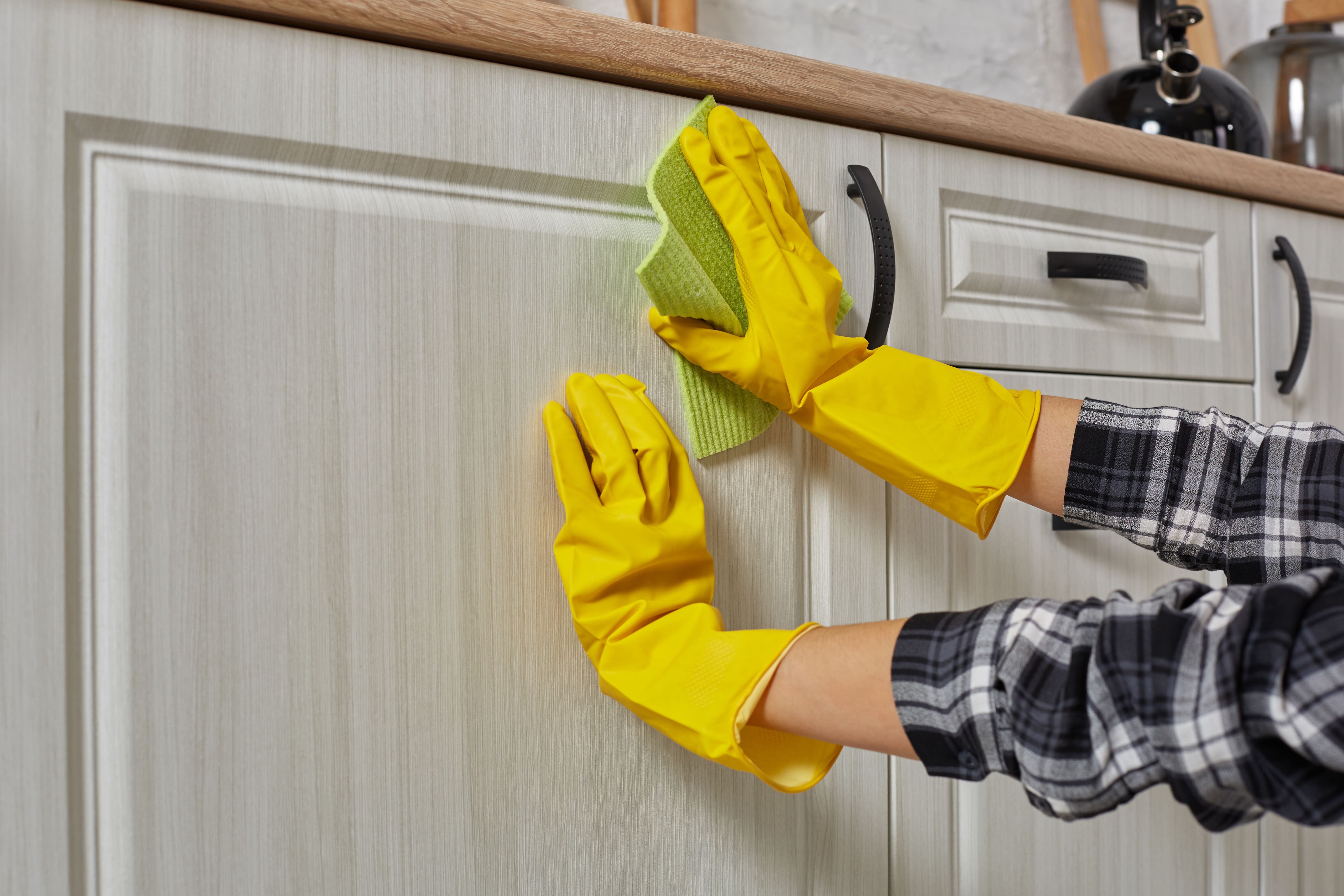
- Final Clean: The comprehensive detailing phase executed after all construction is 100% complete. This includes washing windows, scrubbing appliances, detailing cabinets, and wiping down every surface from top to bottom.
- Touch-Up Clean: A light maintenance pass done right before move-in to catch any settling dust that drifted down overnight.
Why Standard Cleaning Is Not Enough After Renovation
If you ask a standard residential cleaner to handle a newly renovated space, they will likely be unequipped for the volume of particulate matter. Standard tools lack HEPA filtration (meaning they blow drywall dust straight back into the air) and standard schedules do not account for the multi-pass wiping required to eliminate paint specks, window stickers, and adhesive film.
Can Deep Cleaning Replace Post-Construction Cleaning?
No. While a deep cleaning is thorough, it is designed for a home that has experienced normal, lived-in neglect (like built-up grease or bathroom scale). A deep cleaning checklist does not account for removing commercial construction tape, scraping dried grout haze off new tile, or vacuuming micro-silica dust out of HVAC duct returns.
Which Service Does Your Property Need?
If you have lived in your home normally and simply want a thorough seasonal reset, book a deep clean. If your home has just undergone structural changes, room additions, bathroom remodeling, or a gut renovation, you require a specialized post-construction cleaning service.
FAQ
Is post-construction cleaning the same as deep cleaning?
No. Post-construction cleaning is much more intensive and specialized, specifically designed to remove hazardous drywall dust, paint splatters, adhesive residue, and construction debris.
What does post-construction cleaning include?
It includes top-to-bottom HEPA vacuuming, washing windows and frames, removing stickers and paint overspray, wiping down inside cabinets, cleaning all vents, and multi-pass surface wiping.
Why does it cost more than regular cleaning?
It costs more because it requires specialized commercial equipment (like HEPA vacuums and air scrubbers), protective safety gear, multiple cleaning passes, and significantly more labor hours.
Can regular cleaners remove drywall dust?
Standard residential cleaners usually lack the specialized commercial tools and multi-pass techniques needed to permanently eliminate fine drywall dust without damaging new finishes.
When should post-construction cleaning begin?
Post-construction cleaning should only begin after all contractors, painters, and trade workers have completely finished their physical work and left the property.
